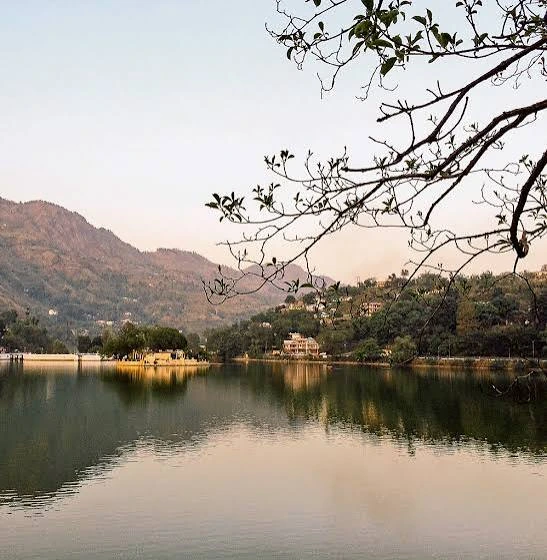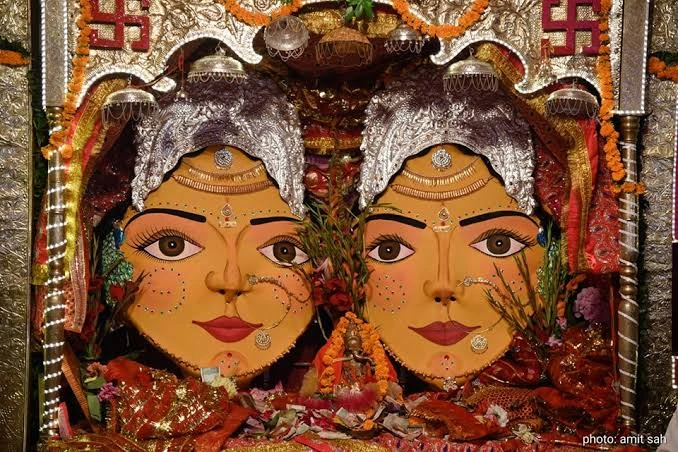

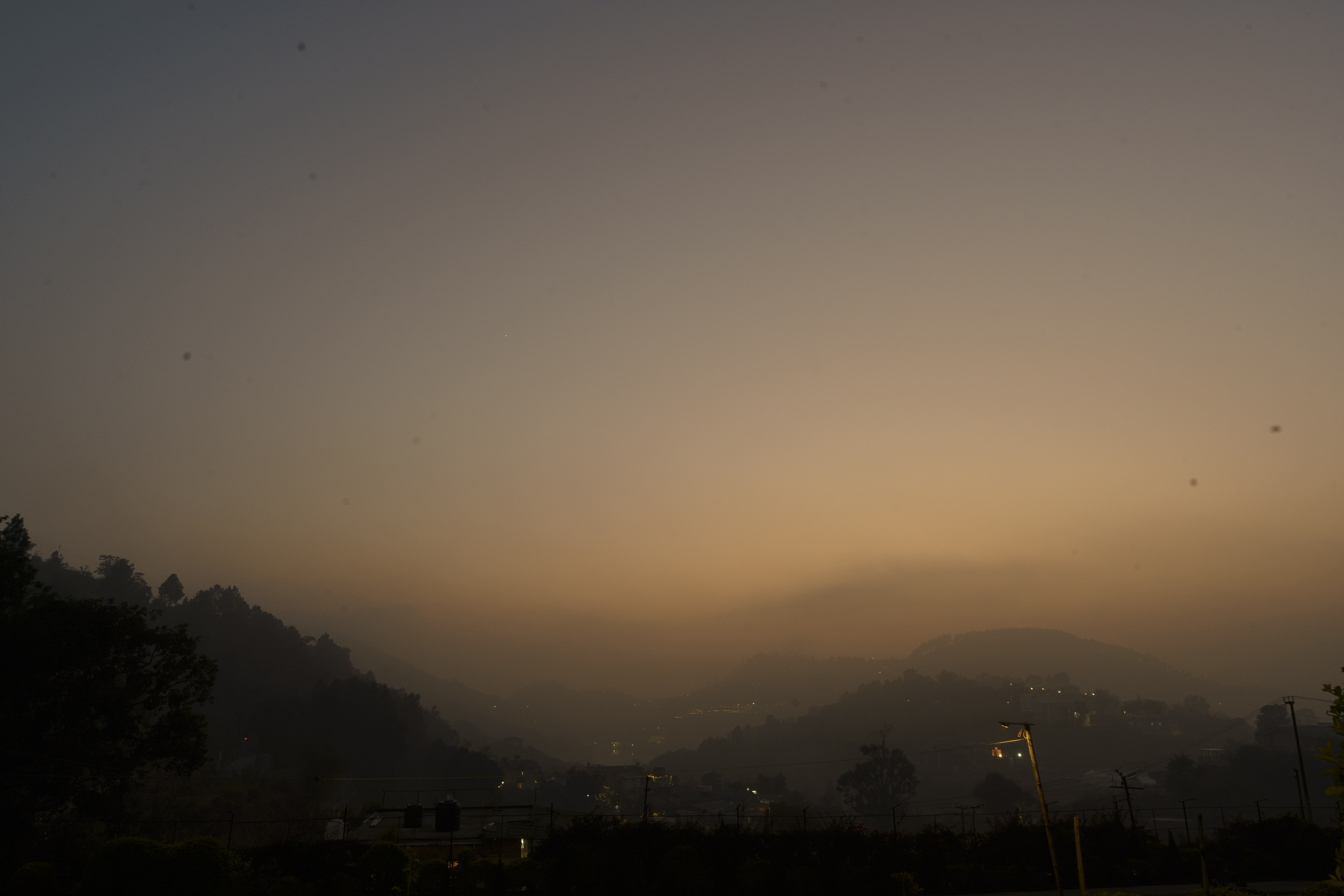
Few spiritual landmarks in modern India evoke the deep sense of reverence and mystery quite like Kainchi Dham. Nestled in the Kumaon hills of Uttarakhand along the Bhowali-Almora highway, this ashram established by the revered sage Neem Karoli Baba (Maharaj-ji) has transcended its local origins to become a global pilgrimage site. Visitors ranging from tech visionaries and spiritual seekers to weary urban travelers flock to these mountains year-round to experience the profound stillness that permeates the valley.
However, planning a pilgrimage or a mindful visit to Kainchi Dham requires more than just booking a car. The exponential rise in popularity means that navigating the region demands strategic planning—from understanding the best times to visit to knowing where to stay to escape the tourist bottlenecks.
While the ashram itself offers a powerful spiritual anchor for your trip, your overall experience will heavily depend on where you choose to set up your base. If you want to immerse yourself in the vibrant, rain-kissed beauty of the region without getting bogged down by commercial crowds, it helps to understand the broader geographical rhythm of the hills—something we explore in our piece on Monsoon in Kumaon: Why Naukuchiatal Is the Most Beautiful Hill Destination During the Rainy Season.
The Essence of Kainchi Dham: History and Atmosphere
Kainchi Dham is not a conventional tourist attraction; it is an energetic vortex. Founded in 1964 by Neem Karoli Baba, the ashram got its name ("Kainchi" meaning scissors) from the sharp, hairpin bends of the two roads that cut through the hills near the site.
When you step inside the ashram grounds, the ambient noise of the highway seems to dissolve, replaced by the gentle murmur of the Kshipra river flowing alongside and the quiet hum of devotees chanting. The environment encourages introspection. It reminds us that travel can be a form of inner cleansing rather than just a checklist of sights.
Key Highlights Within the Ashram:
-
The Main Temple Shrine: Housing the murti of Hanuman ji and the seat where Neem Karoli Baba meditated, this is the spiritual nucleus of the complex.
-
The Annual Bhandara (June 15): Drawing hundreds of thousands of people every year, this massive festival is a testament to the enduring legacy of the saint. (Tip: If you prefer solitude, avoid visiting directly around mid-June).
-
The Surrounding Riverbanks: The serene spots along the river offer quiet spaces to sit, meditate, and absorb the natural mountain energy.
Navigating the Crowds: Why Your Base Matters
Kainchi Dham is located roughly 17 kilometers from Nainital and about 38 kilometers from Kathgodam railway station. Because of its central location on the main transit corridor, the immediate vicinity experiences heavy traffic congestion, particularly during peak summer weekends and major holidays.
Many travelers make the mistake of booking hotels directly on the main highway or inside bustling tourist towns like Nainital, only to spend hours stuck in traffic trying to reach the ashram or explore the surrounding hills.
The secret to a successful trip to Kainchi Dham is strategic distance. You want to be close enough to make the morning drive to the ashram smooth and stress-free, but far enough away that you can retreat into absolute silence when the day is done.
This is where positioning yourself in a quieter neighboring micro-destination—such as Naukuchiatal—transforms the entire vacation. While Naukuchiatal is far enough to keep you shielded from commercial chaos, it is close enough to serve as a luxurious, peaceful base for day trips to Kainchi Dham, Bhimtal, and Mukteshwar.
Essential Travel Tips for Your Kainchi Dham Visit
To ensure your journey is smooth, respectful, and spiritually fulfilling, keep these practical guidelines in mind:
1. Dress Code and Decorum
Kainchi Dham is a functioning spiritual ashram, not a sightseeing spot. Visitors are expected to dress modestly (shoulders and knees covered). Maintaining silence or speaking in hushed tones inside the temple complex preserves the meditative atmosphere for everyone.
2. Timing Is Everything
The ashram opens early in the morning and closes by evening. Arriving early (around sunrise) is the single best way to experience the ashram without the dense tourist rush. It also allows you to find parking more easily along the narrow mountain roads.
3. Mindful Photography
While exterior photos of the valley and river are common, photography inside the main temple shrine or during active prayer sessions is generally restricted or discouraged. Respect local customs and put your devices away to fully engage with the space.
4. Sustainable Travel
The Kumaon ecosystem is fragile. When visiting shrines and walking through mountain trails, carry your waste back with you, avoid single-use plastics, and respect the local flora and fauna.
Where to Stay: Elevating Your Mountain Journey
Your accommodation should act as a sanctuary, not an extension of your daily stress. After spending a moving, emotionally intense day at Kainchi Dham, returning to a cramped hotel room with thin walls and hallway noise can instantly shatter your peace.
Discerning travelers are increasingly choosing private, high-end villas that offer expansive views, architectural elegance, and complete privacy. Waking up to the sound of mist rolling over a private valley, enjoying a locally sourced Kumaoni breakfast prepared to your preference, and sitting by a quiet evening bonfire under a starlit Himalayan sky—this is how a modern pilgrimage or mountain holiday is meant to be completed.
If you are planning your itinerary, looking for customized villa stays, or need guidance on how to seamlessly blend your spiritual journey to Kainchi Dham with a luxurious, restorative retreat in the Kumaon hills, we are here to assist you.
Phone / WhatsApp: +91 7409303636