
There is a widespread, unexamined myth in modern travel that the monsoon season is something to be endured indoors, tucked away from the world until the skies clear. Most urban travelers map their annual leaves around the dry spells of spring or the crisp chill of autumn, writing off the rainy months as an inconvenient time to venture into the mountains. But for those who truly understand the rhythm of the Himalayas, this is a profound miscalculation.
The monsoon in the Kumaon region is not merely a weather pattern; it is a dramatic, living transformation. When the first heavy clouds break over the outer ridges of Uttarakhand, the landscape doesn't just get wet—it awakens. The dust of the dry summer is washed away, revealing a hyper-vibrant, cinematic green that city eyes rarely get to witness. The air grows heavy with the scent of wet pine, damp earth, and blooming mountain flora.
If you are looking for a hill destination that sheds the commercial noise of peak tourist seasons and reveals its true, soul-stirring character, Naukuchiatal during the monsoon is unmatched. And just as choosing the right season is crucial, choosing the right way to experience it matters equally—something we explored deeply when comparing options in our guide on Luxury Villa vs Hotel: Which Is Better for Your Uttarakhand Vacation?.
The Monsoonal Metamorphosis of Kumaon
To understand why Naukuchiatal stands out during the rains, one must first appreciate the unique geography of the Kumaon hills. Unlike the steeper, more barren stretches of other Himalayan ranges, Kumaon is defined by rolling contours, dense mixed-deciduous forests, terraced slopes, and interconnected water bodies.
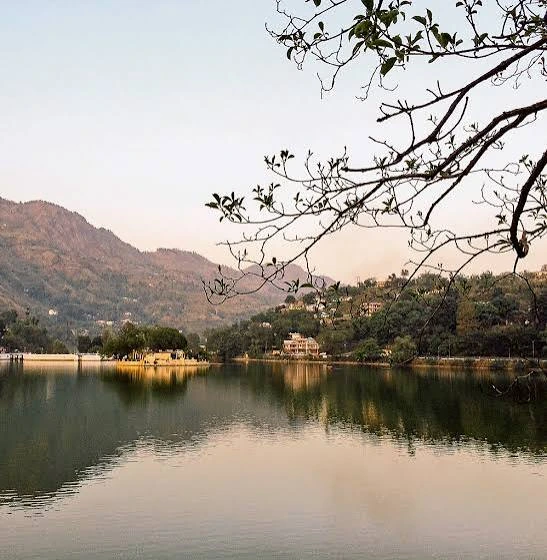
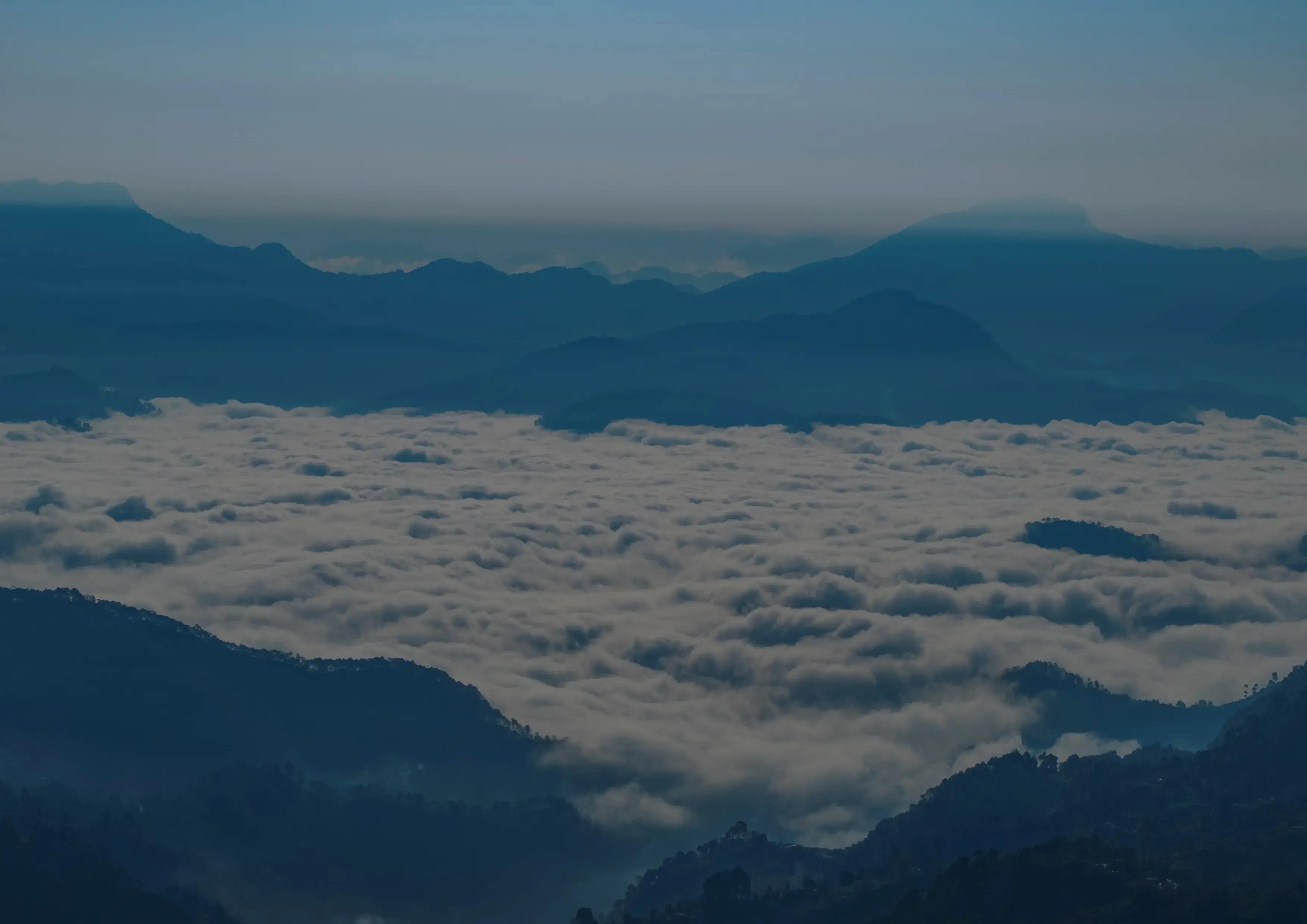
When the monsoon arrives, these elements lock into a mesmerizing visual harmony. The nine-cornered lake of Naukuchiatal—surrounded by emerald-green hills that seem to tumble straight into the water—transforms into a misty, ethereal dreamscape. Low-hanging clouds frequently roll right down to the surface of the lake, creating private pockets of fog that swallow the chaos of the outside world.
For the modern professional fleeing urban burnout, this mist acts as a natural psychological shield. The visual clutter of the city vanishes, replaced entirely by shifting shades of jade, emerald, and slate grey.
Why Naukuchiatal Surpasses the Mainstream Circuit
During peak summer, popular hubs like Nainital or Mussoorie are flooded with bumper-to-bumper traffic, honking horns, and crowded promenades. The monsoon only compounds the logistical challenges in those dense urban centers, turning narrow hillside roads into gridlocked bottlenecks.
Naukuchiatal offers a stark, sophisticated contrast. Because it remains a quieter, more insulated pocket of the Kumaon region, it absorbs the monsoon without losing its serenity. Here, the rain does not mean traffic jams; it means silence. It means the rhythmic tapping of raindrops on a sloped villa roof, broken only by the call of distant mountain birds rejoicing in the humidity.
If you want to experience the monsoon the way it was meant to be felt—unfiltered, uncrowded, and deeply intimate—Naukuchiatal is the definitive destination. It gives you the rare luxury of space, allowing you to walk down quiet forest paths where the only footprints are your own.
The Art of Rain Tourism: Slow Living at Its Peak
Monsoon travel requires a shift in philosophy. You do not come to the mountains during the rains to "sightsee" in the traditional, rushed sense. You come to experience slow living.
1. The Symphony of Silence
Urban life is defined by a constant, low-grade acoustic hum—traffic, construction, electronic notifications, and air conditioners. In Naukuchiatal during the monsoon, the acoustic landscape is completely rewritten. The sound of rain echoing through the pine forests acts as a natural white noise generator, immediately lowering cortisol levels and bringing a profound sense of mental stillness.
2. The Luxury of the Indoors
When the rain pours outside, your immediate environment matters more than ever. This is precisely why staying in a private, high-end villa rather than a standardized hotel changes the entire dynamic of a monsoon holiday. A villa with large, floor-to-ceiling glass windows allows you to sit with a book and a cup of freshly brewed Kumaoni tea while watching the mist roll across the valley. You aren't confined to a sterile hotel room; you are enveloped by the landscape while remaining completely comfortable.
3. Sensory Awakening: The Terroir of the Rains
The Kumaon region comes alive botanically during the monsoon. Wild ferns erupt along every stone wall, ancient moss thickens on the trunks of oak trees, and seasonal mountain streams carve temporary silver ribbons down the hillsides. The air is crisp, pure, and entirely cleansed of pollution—offering a literal breath of fresh air that urban lungs desperately crave.
Redefining the Mountain Escape
There is an unspoken courage required to take a holiday during the monsoon. It asks you to step away from the predictable sunshine-and-sightseeing itinerary and embrace the moody, dramatic unpredictability of nature. But those who take the leap are handsomely rewarded.
You return to your daily life not exhausted by a packed schedule of tourist spots, but deeply restored by days spent in quiet contemplation, watching the clouds dance across the Naukuchiatal valley. It is an experience that stays with you long after you return to the concrete grid of the city.
If you are ready to trade the stifling heat and noise of the plains for the misty, emerald sanctuary of the Kumaon monsoon, your retreat awaits.
Phone / WhatsApp: +91 7409303636