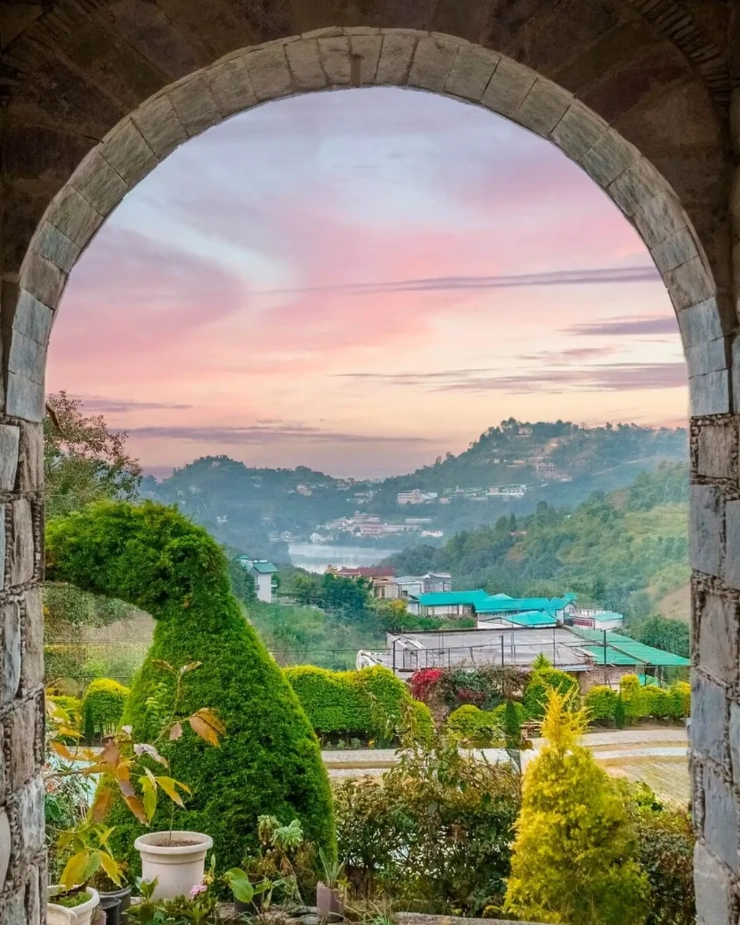

Every Mountain Has a Story to Tell
The traditional culture of Uttarakhand is a beautiful story of mountain life, ancient customs, regional food, folk music, festivals, and family traditions passed down through generations. Known as Devbhoomi, or the Land of the Gods, Uttarakhand is celebrated for its Himalayan landscapes and spiritual destinations, but its cultural heritage is equally meaningful. From the villages of Kumaon to the valleys of Garhwal, the traditional lifestyle of Uttarakhand reflects a deep connection between people, nature, and their ancestral roots.
Imagine an old mountain village waking up to the sound of birds, the aroma of freshly prepared Pahadi food drifting from a kitchen, and elders sharing stories about how life used to be. These simple moments reveal the true beauty of Kumaoni and Garhwali culture. Folk songs, traditional homes, seasonal celebrations, and local craftsmanship are not just reminders of the past. They are living expressions of the values and experiences that continue to shape Uttarakhand today.
To understand the cultural heritage of Uttarakhand, we must look beyond its popular tourist destinations. The real story lies in its people, their everyday lives, their respect for nature, and the traditions that connect one generation to another.
Kumaoni and Garhwali Culture: Two Distinct Cultural Identities
The traditional culture of Uttarakhand includes two prominent regional identities, Kumaoni culture and Garhwali culture. Both share a strong connection with the Himalayan environment, while maintaining their own languages, folk songs, customs, festivals, and culinary traditions.
Kumaoni culture is associated with the Kumaon region, including Almora, Nainital, Bageshwar, Champawat, and Pithoragarh. Traditional Kumaoni heritage can be experienced through regional cuisine, Aipan art, folk music, local festivals, and village customs.
Garhwali culture belongs to the Garhwal region, which includes areas such as Pauri Garhwal, Tehri Garhwal, Chamoli, Rudraprayag, and Uttarkashi. Garhwali folk songs, traditional dances, local festivals, and community celebrations reflect the region's distinctive identity.
Kumaoni and Garhwali are important regional languages that preserve local stories, expressions, humour, and cultural knowledge. Although Hindi is widely used, regional languages remain valuable links to the history and identity of mountain communities.
The cultural diversity of Uttarakhand reminds us that traditions can vary between districts, villages, and families. This diversity makes the heritage of Kumaon and Garhwal especially rich and worth exploring.
Traditional Pahadi Homes: Architecture Inspired by Mountain Life
Traditional houses are an important part of Uttarakhand's cultural heritage because they reflect how mountain communities adapted to their surroundings. In older villages, homes were often built using locally available stone, timber, and other regional materials.
Traditional Pahadi architecture may feature stone walls, wooden doors, sloping roofs, and small windows, depending on local conditions and building practices. In some areas, carved wooden entrances demonstrate the skills of traditional artisans.
These homes were more than places to live. They were spaces where families cooked together, celebrated festivals, shared stories, and taught children about local customs. The kitchen often served as a central gathering place for family conversations and traditional meals.
Mountain architecture also reflects the practical knowledge of earlier generations, who understood local weather, available materials, and the challenges of building on sloping terrain.
Today, modern construction has changed the appearance of many villages across Uttarakhand. However, traditional mountain homes continue to represent the region's cultural identity and offer valuable lessons about local craftsmanship and climate-responsive design.
Traditional Food of Uttarakhand: Recipes Filled with Memories
The traditional food of Uttarakhand tells a story of local agriculture, seasonal ingredients, and family recipes. Kumaoni and Garhwali cuisines feature a variety of grains, pulses, vegetables, and regional preparations shaped by local availability and household preferences.
Mandua, or finger millet, and jhangora, commonly associated with barnyard millet, have long been part of traditional food practices in parts of the Himalayan region. These ingredients reflect the agricultural knowledge of mountain communities.
Bhatt ki Churkani is a well-known Kumaoni dish prepared using black soybeans called bhatt. Aloo ke Gutke is another popular regional preparation featuring seasoned potatoes, often served with local accompaniments.
Garhwali cuisine is known for dishes such as Chainsoo, commonly prepared using roasted black gram, and Kafuli, a preparation made with leafy greens. Jhangora ki Kheer is a traditional sweet dish prepared using barnyard millet.
Kumaon is also famous for Bal Mithai, particularly associated with Almora, and Singori, a sweet made with khoya and traditionally wrapped in a leaf.
These traditional dishes are more than recipes. They carry memories of family kitchens, seasonal ingredients, celebrations, and generations of cooking knowledge. Traditional Pahadi food continues to connect people with their cultural roots, whether they live in mountain villages or far away from Uttarakhand.
Mandua and Jhangora: The Heritage of Himalayan Grains
Traditional grains play an important role in the food culture of Uttarakhand. Mandua is used to prepare rotis, while jhangora can be cooked in savoury dishes or made into kheer.
These grains reflect the relationship between traditional agriculture and regional cuisine. Their continued use helps preserve local food knowledge and maintain a connection with the agricultural heritage of Kumaon and Garhwal.
Traditional Pahadi cuisine is diverse, and food practices vary across locations and households. Nevertheless, regional grains remain meaningful examples of how mountain communities have adapted their cooking to local conditions.
Folk Music of Uttarakhand: Songs That Keep Stories Alive
Folk music is one of the most expressive elements of the traditional culture of Uttarakhand. Through songs, communities preserve stories of love, separation, devotion, village life, seasonal changes, and the beauty of the Himalayas.
Kumaoni and Garhwali folk songs often reflect the emotional relationship between people and their surroundings. Their lyrics may describe family relationships, agricultural work, festivals, local deities, or the experience of living away from home.
Jagar is a distinctive ritual tradition in Uttarakhand involving sung narratives and performances connected with local deities and ancestral or spiritual traditions. It carries cultural and religious significance for the communities that practise it.
Folk songs are performed during weddings, festivals, community gatherings, and cultural programmes. Their continued practice helps younger generations understand regional history and identity.
For people who have moved away from their hometowns, traditional Pahadi music can bring back memories of family, village celebrations, and mountain life. These songs demonstrate how the cultural heritage of Uttarakhand remains alive through sound, language, and shared emotion.
Traditional Folk Dances of Kumaon and Garhwal
Traditional folk dances are an important part of Uttarakhand's cultural heritage. They bring communities together through music, movement, storytelling, and celebration.
Chholiya is a well-known traditional dance associated with Kumaon. It is commonly performed during wedding processions and festive occasions, often featuring energetic movements and traditional martial elements.
Jhora is a Kumaoni group dance performed during social and festive gatherings. Participants move together in rhythm with folk music, creating a sense of community and shared celebration.
Langvir Nritya is an acrobatic dance tradition associated with Garhwal. It is recognised for its demanding physical movements and balancing skills.
These traditional dances are performed at community events, cultural festivals, and other special occasions. They help preserve local artistic skills while allowing younger generations to learn about Kumaoni and Garhwali traditions.
Aipan Art: A Traditional Expression of Kumaoni Heritage
Aipan is a traditional folk art particularly associated with the Kumaon region of Uttarakhand. It is commonly created during festivals, weddings, religious ceremonies, and other auspicious occasions.
Traditional Aipan designs often feature white patterns made with rice paste on a red or ochre-coloured base. The motifs may include geometric arrangements, symbolic figures, and patterns associated with particular ceremonies.
Aipan art is traditionally created on floors, thresholds, walls, and ritual spaces. Its designs and meanings can vary depending on the occasion and family customs.
For generations, Aipan has been taught through observation and practice, often passing from older family members to younger ones. Today, Aipan-inspired designs also appear on paintings, decorative products, textiles, and other contemporary items.
Preserving Aipan art helps maintain the cultural heritage of Kumaon while creating opportunities for artisans and encouraging interest in traditional Indian folk art.
Traditional Clothing and Jewellery of Uttarakhand
Traditional clothing in Uttarakhand reflects regional identity, local customs, climate, and ceremonial practices. Styles vary between Kumaon and Garhwal and can also differ according to community and family traditions.
The pichhaura is a distinctive garment associated with Kumaoni women, particularly during weddings and auspicious occasions. It is generally yellow or saffron in colour, with red decorative motifs that carry ceremonial significance.
Traditional clothing in different parts of Uttarakhand has included sarees, regionally styled garments, dhoti, kurta, shawls, and woollen clothing suited to mountain weather. The exact styles depend on the locality and occasion.
Traditional jewellery has also formed part of festive and ceremonial attire. Certain ornaments may carry family or cultural significance, especially during weddings and religious celebrations.
Today, many people combine traditional clothing with contemporary fashion. Wearing regional attire during festivals and family celebrations offers a meaningful way to maintain a connection with the cultural heritage of Uttarakhand.
Festivals of Uttarakhand: Celebrating Nature and Community
Festivals are an essential part of the traditional culture of Uttarakhand. They bring families together, mark seasonal changes, and preserve regional customs through food, music, rituals, and community participation.
Harela is a well-known festival associated with Kumaon and connected with greenery, agriculture, and seasonal renewal. Seeds are traditionally sown in small containers before the festival, and the resulting green shoots are used in customary observances.
Phool Dei is a springtime festival observed in parts of Uttarakhand. Children may place seasonal flowers at doorways and offer traditional greetings, symbolising goodwill and the arrival of spring.
Ghughutiya is a Kumaoni tradition associated with Makar Sankranti. It is known for distinctive sweet preparations and customs involving children and birds.
Nanda Devi Raj Jat is a significant pilgrimage associated with the worship of Goddess Nanda Devi in the Garhwal Himalayas. It is a major cultural and religious event held at long intervals rather than an annual festival.
Kumaoni Holi is also known for musical traditions such as Baithki Holi and Khari Holi. These forms of celebration reflect the distinctive cultural heritage of the region.
Diwali, Navratri, Makar Sankranti, and other festivals are celebrated across Uttarakhand, often with local customs that reflect the identity of individual communities.
These festivals preserve the traditional culture of Uttarakhand by keeping regional songs, recipes, rituals, and family traditions connected to everyday life.
Harela: A Festival Rooted in Nature
Harela offers a meaningful example of the relationship between traditional culture and nature in Uttarakhand. Particularly associated with Kumaon, the festival celebrates greenery, seasonal renewal, and agricultural life.
Families traditionally sow seeds in small baskets or containers before the festival. The green shoots that emerge are used in customary celebrations and may be placed on family members as a blessing.
Harela is associated with wishes for well-being, prosperity, and agricultural abundance. Its significance reflects the importance of seasonal cycles in mountain communities.
Although contemporary celebrations may include environmental activities such as tree planting, practices differ across locations. The central cultural message remains connected with greenery and the natural world.
The tradition of Harela reminds us that the cultural heritage of Uttarakhand is closely connected with the land, the seasons, and the livelihoods of its people.
Phool Dei: Welcoming Spring Through Flowers
Phool Dei is a charming springtime tradition observed in parts of Uttarakhand. The festival celebrates the changing season through flowers, greetings, and community participation.
Children may collect seasonal flowers and place them at the entrances of homes while offering traditional blessings. In some households, these visits are accompanied by sweets or other customary gestures.
The specific customs of Phool Dei can vary by locality and family. However, the festival's broader themes include renewal, goodwill, and the importance of passing traditions to younger generations.
Phool Dei shows how the traditional culture of Uttarakhand can be expressed through simple acts that connect people with the natural environment and their neighbours.
Pahadi Hospitality: The Warmth of Mountain Communities
Pahadi hospitality is an important cultural value in many communities across Uttarakhand. Welcoming a visitor may involve offering a place to rest, sharing food, serving tea, or making time for a friendly conversation.
These small gestures reflect the importance of respectful relationships and community connections. In many mountain villages, neighbours and relatives have traditionally supported one another during agricultural work, family celebrations, and difficult circumstances.
Hospitality varies between households and should not be treated as identical everywhere. However, the tradition of making guests feel welcome remains an important part of how many people understand Pahadi culture.
Today, responsible tourism provides opportunities for visitors to experience the hospitality of Uttarakhand while respecting local customs and everyday life.
Understanding traditional Pahadi hospitality means appreciating not only the welcome itself but also the people, relationships, and community values behind it.
Traditional Agriculture and Village Life in Uttarakhand
Agriculture has played a significant role in the traditional lifestyle of Uttarakhand. Farming practices across Kumaon and Garhwal have developed in response to steep terrain, seasonal rainfall, soil conditions, and the availability of water.
Terraced fields are a familiar feature of many Himalayan landscapes. These fields create flatter areas on slopes, making cultivation possible where large level fields are limited.
Traditional crops have included millets, pulses, rice, wheat, and seasonal vegetables, depending on the location and growing conditions. Kitchen gardens and livestock keeping have also supported many rural households.
Agricultural work has traditionally influenced family routines, seasonal activities, and community cooperation. Sowing, harvesting, and storing crops often require knowledge passed down through generations.
Migration, modern employment, and changing agricultural conditions have affected village life across Uttarakhand. Nevertheless, traditional agricultural knowledge remains valuable for understanding regional food systems and the relationship between people and the mountain environment.
Traditional Craftsmanship: Skills Passed Through Generations
Traditional craftsmanship is another important part of Uttarakhand's cultural heritage. Local artisans have developed skills in woodworking, basketry, textiles, decorative arts, and other crafts suited to regional materials and everyday needs.
Woodwork can be seen in traditional architectural details and carved doors in some areas. Ringal, a type of dwarf bamboo found in Himalayan regions, has traditionally been used for baskets and other practical items in parts of Uttarakhand.
Handwoven textiles and woollen products also reflect local knowledge and craftsmanship. Aipan art demonstrates the artistic traditions of Kumaon, while other craft practices vary according to local materials and artisan communities.
These skills are often learned through observation, practice, and guidance from experienced makers. However, traditional crafts can face challenges when fewer young people have opportunities to learn them or when handmade products struggle to compete with mass-produced goods.
Supporting local artisans and purchasing authentic regional crafts can help sustain traditional skills and strengthen the cultural heritage of Uttarakhand.
Regional Languages: Preserving the Voice of the Mountains
Language is a powerful carrier of cultural identity. Kumaoni, Garhwali, and other regional languages preserve local stories, expressions, humour, songs, and knowledge passed down through generations.
Traditional songs and oral storytelling provide important ways to keep these languages alive. Everyday conversations also carry words and expressions connected with food, agriculture, family relationships, and local landscapes.
Older family members often play an important role in teaching regional vocabulary and traditional sayings to younger generations. These conversations help children understand their cultural roots.
Migration and changing communication habits can influence how frequently regional languages are used at home. However, families can continue preserving them through conversations, folk songs, local literature, and cultural programmes.
Protecting regional languages does not mean avoiding modern communication. It means recognising that linguistic diversity is an important part of the cultural heritage of Uttarakhand.
Oral Storytelling: Memories Shared Around the Family
Traditional storytelling has helped preserve the cultural heritage of Uttarakhand for generations. Stories have been shared through conversations, folk songs, local legends, religious narratives, and memories passed from elders to children.
Some stories are connected with local deities, temples, sacred landscapes, and pilgrimage routes. Others describe village life, family experiences, historical events, and the challenges faced by earlier generations.
Local legends can differ between communities and should be understood within their cultural context rather than automatically treated as verified historical accounts.
Family storytelling also preserves memories of traditional recipes, childhood experiences, village celebrations, and changes in mountain life. Listening to these stories helps younger generations understand the experiences of those who came before them.
Today, storytelling can continue through family conversations, recordings made with permission, community events, and digital platforms. Every shared memory offers another way to keep Uttarakhand's cultural identity alive.
The Relationship Between Nature and Uttarakhand's Culture
Nature holds a significant place in the traditional culture of Uttarakhand. The Himalayas, rivers, forests, and sacred landscapes influence local livelihoods, religious beliefs, seasonal celebrations, and cultural practices.
The Ganga and Yamuna are deeply revered in Hindu traditions, and their Himalayan origins contribute to the importance of pilgrimage in Uttarakhand.
Forests have historically provided resources such as fuel, fodder, food, and building materials for many rural households. Knowledge of plants, weather, water sources, and seasonal changes has therefore been important in traditional mountain life.
Community practices related to forests and natural resources vary by location, but they demonstrate the close relationship between local environments and cultural identity.
Today, waste management, water conservation, and responsible tourism are important considerations in many mountain destinations. Respecting local traditions while supporting effective conservation can help protect both the natural beauty and cultural heritage of Uttarakhand.
Modern Life and the Changing Traditions of Uttarakhand
Modern education, migration, technology, tourism, and changing employment opportunities have influenced the traditional lifestyle of Uttarakhand.
Many young people move to cities for work or education, creating new opportunities while sometimes reducing their everyday connection with village customs and regional languages.
Traditional crafts and agricultural practices can face challenges when fewer young people have the time or resources to continue them. At the same time, digital platforms allow folk music, Aipan art, regional recipes, and local stories to reach wider audiences.
Schools, cultural organisations, artisans, and community groups can help preserve traditional knowledge through workshops, performances, local publications, and educational programmes.
Preserving the culture of Uttarakhand does not mean keeping every practice unchanged. Traditions can adapt to modern life while retaining their meaning and respecting the communities that practise them.
The future of Uttarakhand's cultural heritage depends on balancing new opportunities with a genuine appreciation for the traditions that have shaped the region.
Responsible Tourism and the Cultural Heritage of Kumaon
Tourism introduces visitors to Uttarakhand's mountain landscapes, lakes, forests, temples, and regional traditions. Responsible tourism can also support local livelihoods and encourage interest in traditional craftsmanship and regional cuisine.
Visitors can show respect by following local guidance at religious sites, asking permission before photographing people or ceremonies, avoiding littering, and respecting the privacy of village communities.
Buying authentic local crafts and choosing regional food businesses can help support local producers and artisans. Learning about the origin of a product or the story behind a traditional dish can make these experiences more meaningful.
Villages are living communities, not tourist attractions created solely for visitors. Not every cultural practice is intended for public viewing, and not every destination offers organised cultural activities.
In the Kumaon region, including Naukuchiatal, travellers can deepen their understanding of Uttarakhand by exploring local cuisine, learning about Aipan art, discovering regional history, and respecting the traditions of nearby communities.
For visitors staying at Willowdale Naukuchiatal, the surrounding Kumaon landscape offers a setting for appreciating the relationship between nature and cultural heritage. Any specific cultural activity or artisan experience should be confirmed locally before being presented as an available guest service.
Why the Traditional Culture of Uttarakhand Matters
The traditional culture of Uttarakhand is a living inheritance shaped by generations of experience. It includes regional languages, folk music, traditional dances, festivals, food, architecture, craftsmanship, and the values that connect families and communities.
These traditions help people understand their roots and preserve knowledge about local environments, seasonal food, and community life. They also provide younger generations with opportunities to learn from the experiences of earlier generations.
Families can preserve traditional recipes and stories, schools can introduce students to regional art and music, and artisans can pass their skills to new learners. Visitors can also contribute by supporting responsible cultural initiatives and respecting local customs.
Cultural preservation is most effective when it supports the people who practise these traditions. Every folk song taught to a child, every traditional recipe prepared at home, and every craft skill shared by an artisan helps keep Uttarakhand's cultural identity connected to the present.
Keeping the Stories of Uttarakhand Alive
The traditional culture of Uttarakhand is a story of people, mountains, memories, food, festivals, and traditions that continue to shape life in the Himalayas. From the Aipan art of Kumaon to the folk dances of Garhwal, every custom offers a glimpse into the region's rich cultural heritage.
The beauty of Uttarakhand lies not only in its scenic landscapes but also in the stories and practices that give meaning to its villages and communities. Traditional Pahadi food, regional languages, folk songs, and family celebrations reflect a connection with the land that has developed over generations.
As modern life continues to change the region, preserving the traditional culture of Uttarakhand becomes an opportunity to connect the past with the future. Learning regional languages, supporting artisans, respecting local customs, and sharing family stories can help keep these traditions alive.
For anyone exploring Kumaon or visiting Naukuchiatal, understanding the local culture can make the journey more meaningful. The mountains offer beautiful views, but the people and their traditions reveal the deeper story of Uttarakhand, a story of heritage, nature, community, and belonging that deserves to be preserved for generations to come.